Getting Rid of Silverfish in Windsor Homes
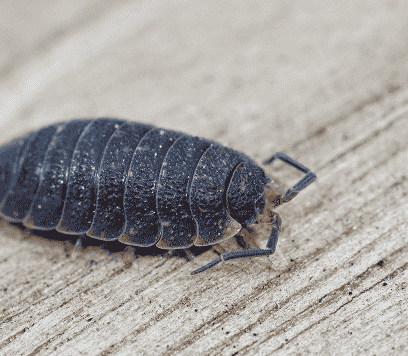
What silverfish are and why they turn up in Windsor
These insects are tiny silver creatures that dart around, like dark hiding places, and usually turn into an issue because they flourish in a humid setting. In Windsor, Ontario, they often show up where air moisture and dampness stay high for long periods, especially in basements, bathrooms, and storage areas. They are considered hidden pests because homeowners often do not notice them until the home infestation is already established.
The humid summers in Windsor can increase indoor moisture levels, especially in homes that do not have strong ventilation or humidity control. That matters because silverfish look for wet spots where they can hide and feed. Older houses in Windsor, particularly in established neighbourhoods, may have more gaps, settling foundations, and unfinished basement spaces that create ideal conditions. These aged houses often have more cracks and crevices, which gives silverfish easy access to wall voids, baseboards, and storage spaces.
In many cases, silverfish are not a sign of dirt; they are a sign that a property has the right combination of moisture, shelter, and food sources. That is why effective pest control windsor strategies focus on both removal and prevention. A strong pest control plan should address the cause, not just the insects you can see.
How to know if you have a silverfish problem
Silverfish are most active at night, so you may not spot them during the day. One of the clearest infestation signs is nighttime activity. If you turn on a light in a bathroom, basement, or laundry room and see a swift insect rush off, silverfish may be present. These night-active insects often stay hidden during daylight hours and come out to eat when the home is still.
Other warning signs include small droppings, yellow stains on papers or fabrics, and book damage. Silverfish feed on starches and adhesives, which means they can leave damage to books and paper in closets, shelves, and boxes. They may also damage wallpaper, documents, envelopes, and stored craft materials. If you notice irregular holes, surface scraping, or foxing-like marks on paper items, it is worth checking for silverfish.
Because silverfish hide well, a serious problem can exist before you spot one directly. Look behind baseboards, inside cardboard storage, near plumbing, and around damp corners. If you find multiple insects over several nights, the issue may be more than a random visitor. In many Windsor homes, what starts as a few insects in the basement can become a broader home infestation if the underlying moisture problem remains untreated.
What brings silverfish into homes and apartments
Silverfish are lured by a few main things: dampness, sources of food, and cover. They eat materials containing starch and glue, which is why paper items are a common target. Old magazines, documents, wallpaper paste, photo albums, and books can all become food sources. This is why residents sometimes notice book damage or ruined paper goods in storage areas.
Cardboard cartons are another major attraction. They hold moisture, offer shelter, and can contain dust, glue, and paper fibres that silverfish can use as food. Stacked boxes in a basement or closet are especially risky when combined with high humidity. That is one reason plastic bins are better than cardboard for long-term storage. Clear plastic containers help reduce access and support cleaner, drier storage conditions.
Disorder makes the problem worse by creating more hiding places and reducing airflow. Piles of paper, unused clothing, craft supplies, and old boxes all create ideal hiding spots for these insects. In apartments, clutter can also make it harder to see where activity is happening, especially in utility rooms, storage lockers, and around baseboards. In Windsor, apartment buildings and multi-unit properties can see silverfish move through shared walls or from one damp unit to another, which is why building-wide vigilance matters.
Silverfish are most likely to settle where they can stay protected and close to moisture. That includes the back of closets, under sinks, around drains, and in storage spaces near plumbing. Any place that stays warm, dark, and damp can become a long-term nesting area if conditions do not change.
Do-it-yourself steps to minimize silverfish in Windsor
Residents and renters can often cut down on silverfish activity with regular housekeeping and moisture control. The starting point is to lower dampness in the areas where they live. A dehumidifier in the basement can make a major difference, especially during Windsor’s damp summer months. Keeping basement air less humid helps create a less inviting environment and supports long-term protection.
Regular vacuuming up is also helpful. Clean baseboards, corners, closet floors, under appliances, and around stored items to remove insects, eggs, and food debris. Pay special attention to hidden zones where dust and lint collect. Since silverfish are attracted to paper fibres and crumbs, cleaning up debris can make the home much less appealing.
Caulking small openings is another essential step. Use quality sealant to close gaps around baseboards, utility penetrations, pipes, windows, and trim. This kind of crack sealing helps close entry points and reduce how easily silverfish can move from wall spaces into living areas. Focus on cracks and crevices where insects hide and travel.
Switch from cardboard to storage bins whenever possible, especially for seasonal clothing, records, and keepsakes. Clean, sealed bins are a better form of clean storage because they keep humidity out and remove easy food sources. If you must keep paper items, store them off the floor and away from damp walls. In older Windsor homes, basements often have more moisture issues, so this step is especially important.
DIY control works best when it is ongoing. If you clean once and then let humidity rise again, silverfish can return. Think in terms of habits: dry the area, seal access points, reduce clutter, and move vulnerable items into protected storage.

When pest control Windsor services are the best option
In some cases DIY methods are not enough, especially when activity continues in multiple rooms or returns after cleaning. That is when pest control Windsor services become the preferred solution. A skilled inspection can identify where silverfish are hiding, how they are entering, and what conditions are sustaining them. This is especially valuable in Windsor, Ontario homes with finished basements, older foundations, or recurring moisture concerns.
A licensed provider may suggest pesticide treatment in targeted locations if the infestation is active and widespread. The best approach is usually more than broad spraying. Instead, a targeted treatment plan focuses on high-risk zones such as wall voids, baseboards, storage spaces, and moisture-prone rooms. That is where a skilled licensed exterminator can make a major difference.
Many companies use integrated pest management, which combines inspection, habitat modification, monitoring, and selective product use. This is often the most efficient way to solve a silverfish issue because it treats the source of the problem rather than only the visible insects. A strong home pest control approach should include moisture control, sealing, sanitation, and follow-up checks.
Professional help is especially worthwhile when there are ongoing infestations. If you keep seeing silverfish after vacuuming, decluttering, and using a dehumidifier, the insects may be nesting inside walls, under flooring, or in shared building spaces. In apartment buildings, that can be particularly frustrating because the source may involve neighbouring units, shared plumbing, or laundry areas. In those cases, a full pest management plan is often the fastest path to lasting relief.
How to prevent silverfish from coming back
Long-term prevention depends on keeping humidity low and minimizing hiding spots. Start with humidity control. Run bathroom fans, keep dehumidifiers running where needed, and repair leaks quickly. Silverfish thrive where conditions stay damp, so anything that lowers dampness helps. In Windsor homes, this is especially important during muggy weather and seasonal shifts when indoor air can become sticky and stale.
Focus on sealed cracks throughout the home. Check basement walls, window frames, utility penetrations, and trim for openings. Caulking those gaps helps block access and cuts down hiding places. This also improves energy efficiency and backs up general home upkeep.
Pay close attention to laundry rooms and bathrooms, since these are two of the most common problem areas. Laundry rooms often have warm, moist air, lint, and paper packaging. Bathrooms can stay humid after showers and baths, especially if vents are weak or unused. Leave these rooms dry, ventilated, and clutter-free. Place towels, paper goods, and cleaning supplies in sealed containers or organized shelves rather than on the https://mississauga-onrw570.brightsora.com/posts/is-pest-control-in-windsor-safe-while-pregnant floor.
Basements need special care in Windsor because they often combine cooler surfaces with persistent moisture. If your basement has stored boxes, old books, or piles of household items, take time to reorganize. Swap cardboard for plastic bins, elevate storage off the floor, and inspect behind items regularly. These habits are a practical part of long-term prevention and help reduce the chance of another home infestation.
Changes through the seasons also matter. As temperatures and humidity levels shift through the year, silverfish may move to different parts of the house. In spring and summer, activity may increase in damper rooms. In fall and winter, they may settle deeper into warm hidden spaces. Staying alert during these seasonal changes helps you catch issues early before they spread.
Silverfish pests in Windsor: frequently asked questions answered
What’s the best way to get rid of silverfish in Windsor?
The quickest way is to blend moisture reduction, cleanup, and a thorough inspection. In practical terms, that means using a dehumidifier, vacuuming often, sealing cracks and crevices with caulking, and moving items out of cardboard into storage bins. If activity is ongoing, a professional inspection from a local pest control Windsor provider can accelerate results by identifying where the insects are hiding and whether insecticide treatment is needed.
Can you get silverfish common in Windsor basements and older homes?
Yes. Silverfish are often found in basements and older homes because these spaces can have more humidity, more hidden voids, and more storage clutter. Windsor’s humid summers can make conditions even better for them, especially in homes with limited ventilation. If your basement stays cool and damp, it can become a long-term shelter for these hidden pests.
Do pest control Windsor treatments get rid of silverfish safely?
Yes, when done properly. A reputable provider will usually begin with a professional inspection and may recommend integrated pest management before using any chemical products. If an insecticide treatment is needed, it should be targeted to the problem areas rather than broadly applied. This approach supports safe, effective residential pest control and is especially useful in homes, apartments, and multi-unit buildings.
What is the best way to keep silverfish out of my bathroom and laundry room?
These rooms need strong humidity control. Run exhaust fans, fix leaks, wipe up standing water, and avoid leaving damp towels or paper goods out. Keep the spaces tidy and uncluttered, since clutter gives silverfish places to hide. Vacuuming around baseboards and seal entry points with caulking where needed. Because bathrooms and laundry rooms stay moist, they should be checked often.
Do these pests harm books, clothing, or wallpaper?
They often do. Silverfish are known for book and paper damage, which often appears as paper damage, yellowing, or surface scraping. They may also eat wallpaper paste and other starch-based materials. Clothing is not as appealing unless it has stains, sweat, or food residue, but stored fabrics can still be affected if the area is damp. This is why keeping valuables away from cardboard boxes, moisture, and clutter is such an important part of preventive care.
When silverfish keep coming back in a Windsor home or apartment, the most effective solution is usually not a lone product or fix. It is a mix of drying out the space, removing food sources, sealing hiding spots, and using a smart pest management plan.
If you are dealing with silverfish in Windsor, Ontario, start with moisture control and storage improvements, then bring in a local expert if the problem continues. The right blend of cleaning, sealing, and professional support can protect your home from recurring activity and make your space less appealing to these nocturnal insects.
Mosquito Man Windsor
2485 Front Rd, LaSalle, ON N9J 2C5, Canada
+1 226-526-4711
https://maps.app.goo.gl/JwhSC65zfbLWNH6v7
https://mosquitoman.ca/pest-control/windsor/
42.2161228, -83.1003005