What’s Included in a Pest Control Inspection in North York?
A licensed pest control North York assessment is meant to identify current activity, spot factors that draw pests, and identify the places where pests are getting in. For North York homeowners, condo owners, and property supervisors, the importance of a pest inspection is not just seeing obvious problems. It is about knowing the full scope: where pests are hiding, why they are there, and what needs to happen next.
As North York has older single-family homes, high-rise condos, townhouse communities, and multi-unit buildings, an thorough inspection has to be careful and local. A licensed technician will examine the building from the inside out, checking for infestation signs, structural entry points, and risk issues that can lead to recurring problems. In Ontario, cold-weather rodent pressure often grows in fall and winter, while insects become more active in warmer seasons, so timing matters too.
What a pest control inspection covers
A pest inspection often begins with a thorough inspection of the property. The technician moves through the home, condo unit, or building common areas to identify pest activity, environmental clues, and property conditions that may support an infestation. The goal is to determine which pests are present, where they are active, and how serious the issue may be.
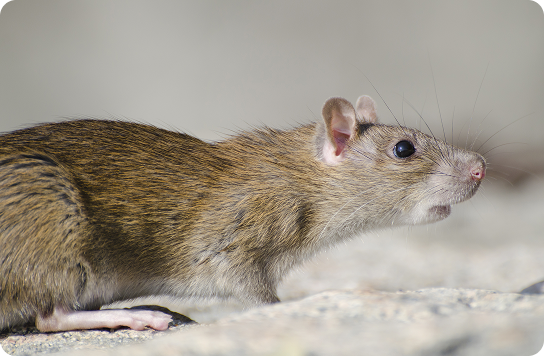
During this inspection checklist, the technician is typically looking for common household pests such as rodents, mice, rats, ants, cockroaches, bed bugs, wasps, and carpenter ants. Each species produces different infestation signs, so species identification is a major part of the visit. For example, mice and rats often leave droppings and gnaw marks, while cockroaches may be detected through dark specks, shed skins, and greasy residue in hidden areas.
A proper pest inspection also centres on harborage areas, which are places pests use for shelter, nesting, and movement. This can include cluttered storage rooms, wall voids, warm mechanical spaces, and damp corners. A technician will use an interior assessment and exterior perimeter review to locate problem zones and assess risk factors.
In practical terms, the inspection tells you:
- Whether pests are active now or signs point to a past issue
- Where pests are entering the structure
- What conditions are making the property attractive
- Which treatment options and preventive measures may be needed
This is the foundation of integrated pest management, which combines monitoring, sanitation, exclusion methods, and targeted treatment rather than relying on a one-time fix.
Interior areas specialists inspect
Inside the property, the inspector focuses on areas where pests commonly feed, harbor, travel, or stay concealed. In North York homes, this typically covers the basement, kitchen, and attic, but the inspection may also include laundry rooms, utility rooms, closets, and behind major appliances. In condos and townhouses, shared walls, entry closets, and mechanical chases can also matter.

The basement is a major priority because it often uncovers moisture issues, foundation gaps, and signs of rodent movement. Basements in older North York homes may have cracks, unfinished utility areas, and storage clutter that create ideal nesting sites. The inspector will look for droppings, gnaw marks, chewed insulation, and travel routes along walls and pipes.
The kitchen is another high-priority area because it combines food sources, water, and warmth. Technicians inspect under sinks, behind fridges, around dishwashers, inside cabinets, and near pantry storage. They look for cockroaches, ants, mice, and evidence of sanitation concerns such as crumbs, spills, or accessible pet food. Kitchens often reveal the most useful infestation signs because pests return to reliable food and water sources.
The attic can indicate roof-level entry points, nesting sites, and insulation damage. In North York, attics may show signs of mice, rats, squirrels, or carpenter ants depending on the structure and season. A technician checks for droppings, nesting materials, disturbed insulation, and light visible through gaps where pests may be entering. Attics can also reveal moisture issues from roof leaks or poor ventilation, which can attract insects and create long-term structural vulnerabilities.
Other interior areas may be examined as needed, especially in multi-unit buildings where pests can move through shared walls, utility penetrations, or hallway chases. A thorough interior assessment helps connect what is seen in one room to what may be happening elsewhere in the property.
External areas and entry points
Outside of the building is as important as the inside. A technician will check the exterior perimeter for entry points and issues that allow pests to get in. In North York, where dense residential areas and multi-unit properties can create shared pest pressure, this step is essential for prevention and recurrence prevention.
Foundation cracks are one of the main points inspected. Even small foundation gaps can give rodents and insects access to basements and lower levels. These openings may expand over time due to weather, settling, or aging materials, which is why older homes in North York often need close attention around the foundation.
Vents are also a common problem. Dryer vents, soffit vents, and utility vents can become weak points if they are damaged, uncovered, or improperly sealed. https://mississauga-onbr409.opalvector.com/posts/pest-control-in-north-york-what-local-homeowners-need-to-know Pests use these openings to move into attics, wall spaces, and crawl areas. The technician will check whether vent screens are intact and whether there are signs of pest activity nearby.
Utility openings such as pipes, cables, conduits, and service penetrations often create hidden access routes. These are especially relevant in townhouses, older homes, and condos where plumbing and electrical lines run through shared or tight spaces. A technician looks for gaps around these openings and checks for grease marks, droppings, or nesting materials nearby.
Exterior checks also include:
- Door sweeps and weather stripping
- Window seals and basement windows
- Garage perimeters and shared garage walls
- Patios, porches, and storage sheds
- Trash areas and outdoor food sources
This matters because pests often follow predictable routes along the exterior before moving indoors. In Ontario’s colder months, rodents look for shelter and warmth, which makes fall and winter a peak season for inspections in North York. In warmer months, the same exterior weaknesses may bring in ants, wasps, and other insects.
How professionals detect pest activity
Finding pest activity is part observation and part interpretation. A trained technician does not just look for live pests. They also assess the signs pests leave behind and connect them to likely behaviour patterns. This is where species identification and environmental clues become critical.
Droppings are among the clearest signs of pest activity. Rodent droppings can reveal where mice or rats are feeding and moving, while cockroach droppings may appear as pepper-like specks in hidden locations. The size, shape, and placement of droppings help narrow down the pest type and the level of infestation.
Nesting materials are another important clue. Shredded paper, insulation, fabric, dried plant material, and soft debris may indicate nesting sites. Rodents often build nests in protected harborage areas such as behind appliances, inside storage boxes, in wall voids, or beneath insulation. Wasps may build nests in soffits, rooflines, or exterior eaves, while carpenter ants often signal hidden wood-related issues.
Grease marks are especially useful when diagnosing rodent traffic. Mice and rats often leave dark smudges along walls, beams, and repeated travel paths as oil and dirt from their fur rub against surfaces. These marks can show the direction of movement and help identify entry points or pathways from exterior openings to interior nesting sites.
Inspectors may also note:
- Chew marks on food packaging, wires, or wood
- Damage to insulation or stored materials
- Odours associated with hidden pests
- Visible pests or shed skins
- Excess moisture that support insects and rodents
Each of these clues contribute to a more complete picture of pest activity. A careful pest inspection uses these observations to determine whether the issue is isolated or part of a broader infestation. That leads directly into the next step: a treatment plan built around the actual conditions found on site.
What to expect after the inspection
When the inspection is finished, the technician explains what was found and recommends next steps. That may involve a treatment plan, preventive measures, and follow-up service if the problem is active or if monitoring is needed. Good pest control is not just about removing pests; it is about preventing them from returning.
A treatment plan may include targeted products, trapping, baiting, or other treatment options based on the pest species and the property layout. For rodents, the plan may combine traps with exclusion and sanitation recommendations. For ants or cockroaches, it may involve treatment in key harbourage zones, moisture correction, and changes in food storage or cleaning routines. For bed bugs, the plan may be more intensive and may involve a structured sequence of visits and monitoring.
Exclusion is often a major part of the recommendation. This means sealing entry points, repairing foundation gaps, closing utility openings, and improving vents or door sweeps so pests cannot re-enter. Exclusion methods are one of the most important preventive measures in North York, especially in older homes and shared buildings where structural vulnerabilities are common.
The technician will also provide prevention tips tailored to the property. These can include:
- Maintaining sanitation in kitchens, basements, and storage areas
- Reducing clutter that creates nesting sites
- Keeping food in sealed containers
- Wiping grease and crumbs regularly
- Repairing leaks and reducing moisture issues
- Watching for new signs of pest activity
If the inspection shows current activity or a property at high risk, follow-up service may be scheduled. This is especially important in multi-unit buildings, where pests can move between units through shared walls or utility systems. Follow-up service helps confirm that the treatment is working and supports recurrence prevention over time.
Why North York properties benefit from area-specific pest control expertise
North York properties do not all deal with the same pest pressures. Local conditions matter, which is why pest control North York inspections should be shaped by the area’s property types, seasonal conditions, and architectural styles. A technician who understands these local factors can detect issues more accurately and recommend more useful solutions.
One major factor is the occurrence of multi-unit buildings. Within high-rise condos, stacked townhomes, and apartment-style properties, infestations can move through common walls, overhead voids, mechanical chases, and public areas. An issue in one unit may appear as continued pest activity in several others. That means, inspection focuses often include not only what is happening within a unit, but also how the building itself is allowing movement.
Older houses as well demand particular care. North York features many ageing single-family homes with aging foundations, unfinished basements, original vents, and utility penetrations that might not be sealed to today's standards. These properties often show more foundation gaps, structural vulnerabilities, and hidden access routes than newer buildings. Even small openings can turn into major entry points for rodents and insects.
Pest pressure by season is another local reality. During fall and winter, cold weather pushes rodents indoors, especially so in homes with warm basements, garages, and storage areas. During spring and summer, bug activity rises, which can mean more ants, wasps, carpenter ants, and other pests around the home’s exterior perimeter, rooflines, and yards. A carefully timed inspection takes these seasonal risk factors into account.
North York’s dense residential areas also create more opportunities for pests to spread from property to property. In areas with closely spaced homes, townhouse communities, and larger condo developments, pest control often calls for a broader view of the building environment. That is why a local inspection is more than a checklist; it is a useful assessment of how the property, the season, and the surrounding area all influence pest risk.
For both homeowners and property managers, this area-specific knowledge can mean the contrast between temporary relieve and long-term management. Top inspections do not just find the problem. They explain why it is taking place and how to reduce the chances of it coming back.
Frequently asked Q&A concerning pest inspections
How much time does a pest control inspection in North York typically take?
The inspection duration depends on the dimensions of the property, the type of building, and whether the technician is checking a single unit, a full home, or common areas in a multi-unit building. A smaller residential pest inspection may be relatively short, while a larger home or a property with complex access points can take longer. The key is not speed alone, but a detailed interior assessment and exterior perimeter review that reveals meaningful infestation signs and risk factors.
Should I get ready my home before a pest inspection?
Some basic appointment preparation can help the licensed technician work more efficiently. It is usually helpful to clear access to basements, under sinks, utility rooms, and storage spaces so entry points and harbourage areas can be checked properly. Good sanitation also makes signs like droppings, gnaw marks, and nesting materials more visible. If you live in a condo or townhouse, it may also help to note where pest activity has been seen, especially near shared walls or utility penetrations.
What pests are most common in North York homes and condos?
In North York, common household pests often include rodents, mice, rats, ants, cockroaches, bed bugs, wasps, and carpenter ants. The exact pest depends on the property type and the season. Rodents are especially common in colder months when they seek warmth indoors, while ants, wasps, and other insects tend to be more noticeable in warmer weather. Condos and multi-unit buildings can also see recurring pest activity if pests move through shared spaces or hidden structural routes.
Can the inspector explain if I need treatment right away?
Yes. After the pest inspection, the licensed technician should explain whether immediate treatment is recommended or whether monitoring and preventive measures are enough for the moment. If the inspection finds active pest activity, obvious infestation signs, or conditions that strongly support pests, a treatment plan may be advised right away. In some cases, the first step is exclusion and sanitation recommendations, followed by treatment options or follow-up service depending on the pest and severity.
Is a pest control inspection worth it for apartment or condo residents?
Absolutely. Residents in apartments and condos in North York can gain from a pest inspection because pests often spread via shared walls, access openings, hallways, and property systems. Even if your unit looks clean, adjacent unit activity or property-wide weak points can create a problem. A pest control inspection helps determine where the issue starts, what entry points may be involved, and what preventive measures can help prevent it from returning. For residents in dense buildings, that insight can be highly beneficial.